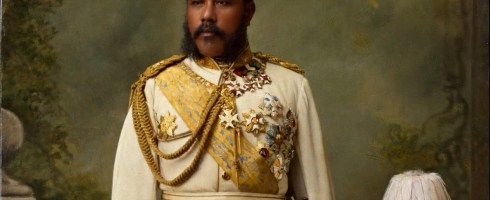
One hundred and ninety years ago, on November 16, 1836, David Laʻamea Kamanakapuʻu Māhinulani Nālaʻiaʻehuokalani Lumialani Kalākaua was born at the base of Punchbowl, in Honolulu.
He was the son of Caesar Kapaʻakea and Analea Keohokālole. And he was given in hānai to High Chiefess Haʻaheo Kaniu.
That one sentence is a genealogy lesson all by itself.
A name, a hānai, a line
Kalākaua’s moʻokūʻauhau mattered to him. He published his genealogy when he ran for king. He traced his line back to Keaweaheulu and Kameʻeiamoku, two of the five royal counselors of Kamehameha I.
But his paper trail doesn’t run in a straight line. Hānai usually doesn’t. A child raised by another chiefess. A sister whose name changes — Lydia Kamakaʻeha, who became Liliʻuokalani, who became queen after him. A brother named heir, then a sister.
“My family touches this story, too. One of my great-great-grandfather’s half-sisters was the daughter of Kahunaaiole, one of the genealogists who kept Kalākaua’s moʻokūʻauhau. He married Anahua Kahele, the mother of Joseph Kauhimaka.”
If you’ve ever followed a Hawaiian family through the records and found the names shifting, the households rearranging, the child living somewhere you didn’t expect — you know this feeling. The records are there. They just don’t tell the story the way a form expects them to.
Two sides of one king
He reigned from February 12, 1874, until his death on January 20, 1891. The last reigning king of the Kingdom of Hawaiʻi.
They called him the Merrie Monarch. He loved music, and cards, and a good gathering. He wrote the words to Hawaiʻi Ponoʻī — to a melody by Henri Berger — and it became the kingdom’s anthem, and then the state song.
He was also a stern sovereign. He built ʻIolani Palace, finished in 1882, and lit it with electricity four years before the U.S. White House had electricity. In 1881 he became the first monarch to travel around the world.
Stern statesman. Songwriting minstrel. Both, in the same man, in the same portrait.
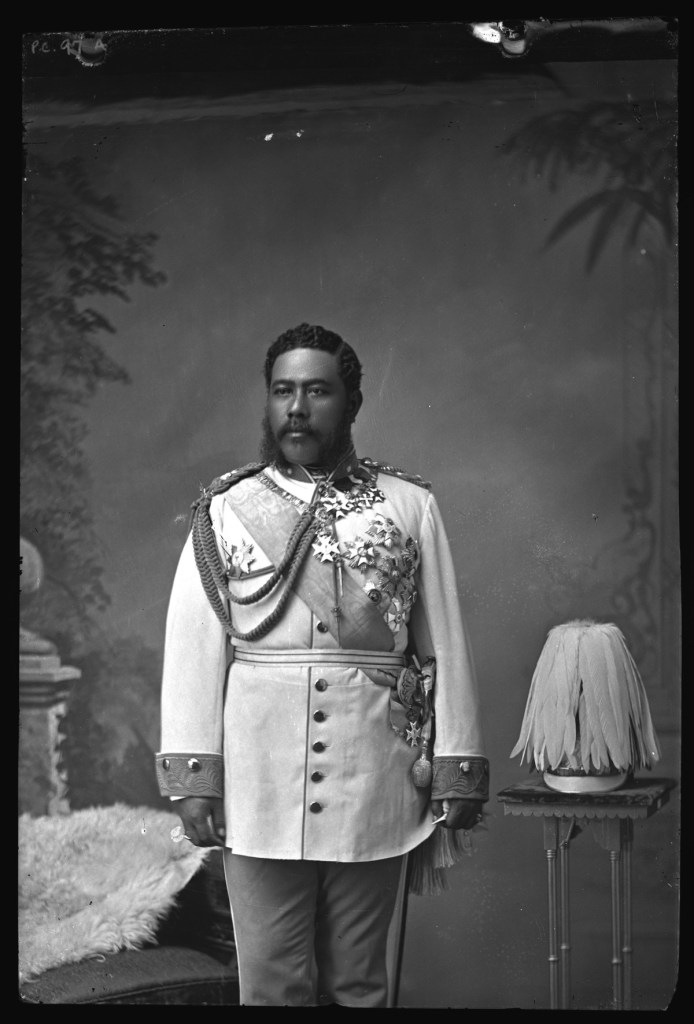
Did you know?
Kalākaua was fascinated by genealogy. He published his own moʻokūʻauhau when he ran for king — and he had the Kumulipo, the great creation chant, put into print so it would not be lost.
His name means “the day of battle.”
He won the throne by election — 39 votes to 6 — against the greatly admired Queen Dowager Emma.
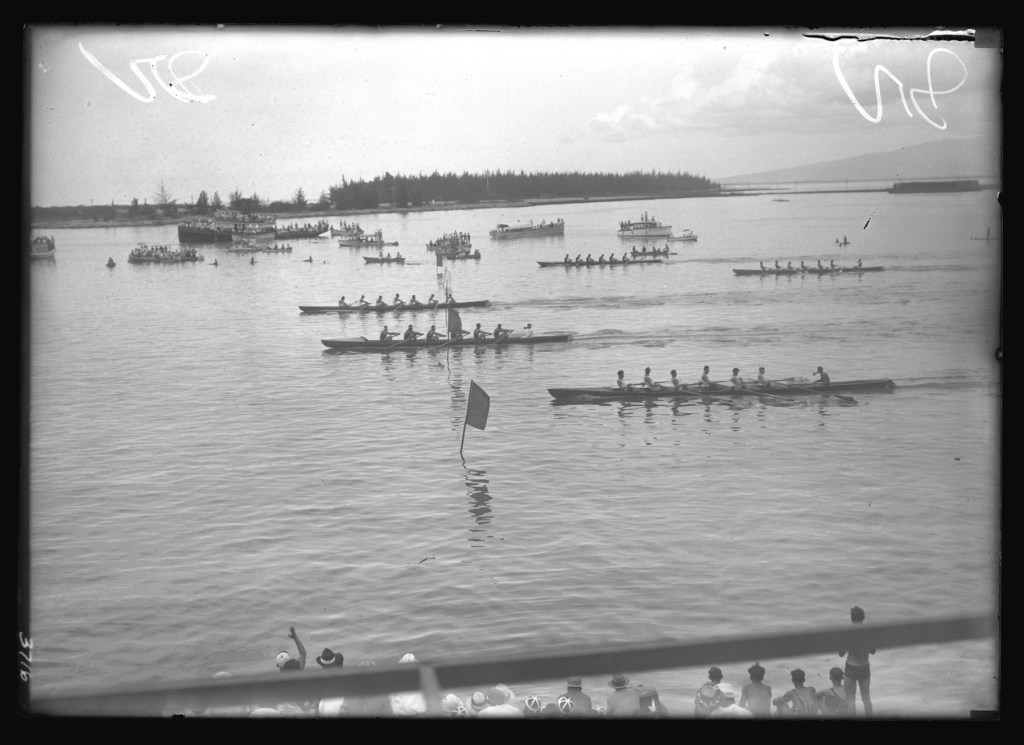
Forty years ago, his 150th birthday was celebrated with a whole week of festivities in Honolulu, beginning with a regatta in the harbor in his honor and an evening torchlight parade.
What he brought back
Public hula had been discouraged for half a century. At his coronation, he invited kumu hula to bring their troupes to Honolulu, and the dances went on night after night.
That is what a 190th birthday is for, I think. Not just remembering a date, but remembering what someone brought back — a song, a dance, a story that was almost lost.
How to celebrate in Honolulu
Monday, November 16, at ʻIolani Palace. The celebration runs all day on the Palace grounds — free self-led audio tours for kamaʻāina from 9 a.m. to 3 p.m. (bring a valid Hawaiʻi ID; the first 500 tours are free), the Royal Hawaiian Band at 11:30 a.m., the Review and Posting of the Royal Guard at noon, and traditional Japanese dance at 1 p.m. The Palace will be dressed as it was for the King’s 50th birthday. Details at iolanipalace.org.
The weekend led in, too: the Royal Regatta returned to Ala Moana Beach Park and the Waikīkī Yacht Club on Saturday, November 14.
Or simply stop by the King Kalākaua statue in Waikīkī, at Kalākaua and Kūhiō, and say hauʻoli lā hānau.
For your own family
If there’s a name in your family that keeps changing, or a child who was raised by someone other than their birth parents, or a story that only survives in a song — start there. Write down what you know. Write down what you don’t know yet. That gap is the research.
Hauʻoli lā hānau, King Kalākaua.


